The Volatility Paradox: Is it your friend or your foe?
Why volatility can create long-term returns while also forcing investors out before those returns are ever realized.

Ish Singh2 min read

Course insights, market thinking, and the ideas behind how we train systematic traders.
Why volatility can create long-term returns while also forcing investors out before those returns are ever realized.
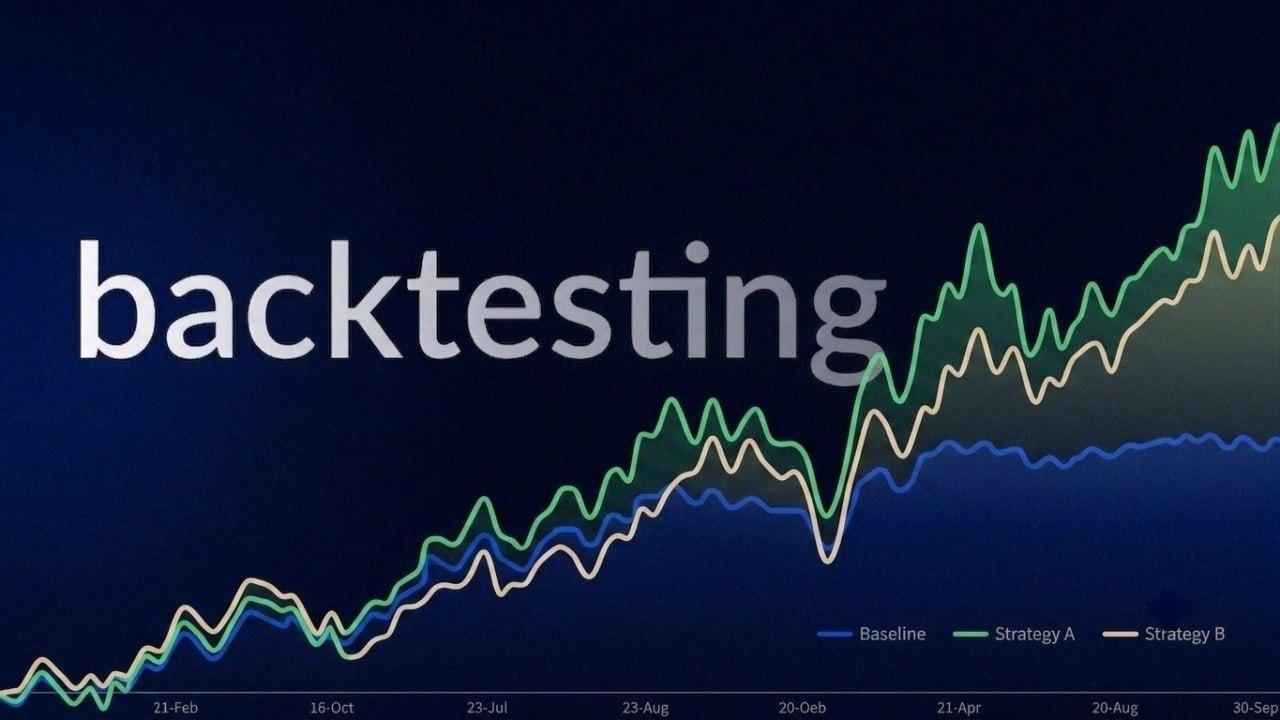
A note on why great-looking historical performance can be fragile, and why robust backtests matter more than perfect ones.
How quant strategies begin with hypotheses, then move through disciplined definition, testing, and validation.
Why the investing versus trading debate misses the bigger question: whether decisions are driven by stories or evidence.
Srinivas Lakkireddy, Sr. Lead Architect at JPMorgan & Chase, shares how the Foundations cohort helps transition technical leadership to portfolio-level systematic trading.


A view on how elite degrees, alternative credentials, AI, apprenticeships, and real-world portfolios may split the future of education.
Piyush Gupta, Senior Flow Trader at Delta Exchange, shares how the Foundations course builds problem-solving intuition and strategy robustness.


Rakshit Tiwari (ElevenLabs, ex-Stripe, IITG) reflects on building a repeatable hypothesis-testing process and moving away from gut-feel trading.

Vishal N. (IIT Kanpur / Erasmus University) details why QuantYog provided more practical value than quantitative Master's programs and the CFA exams.


Vineeth S, Google ML engineer, discusses moving from retail curiosity to institutional-grade research and systematic strategy design.


Why QuantYog's next phase is about scaling impact through software and AI agents instead of simply adding headcount.

A short risk-first read on why the nof1.ai trading experiment exposed serious drawdown and risk-adjusted-return failures across LLM traders.

QuantYog crosses 100 students with consistently strong ratings, while staying focused on mentoring serious learners into real quants.
Shivam Kathuria, Product Manager at JPMC, shares his experience in the QuantYog Essentials cohort and how it helped build institutional-grade systematic trading conviction.

Rajat Kumar, Software Engineer III at Walmart, highlights how QuantYog Essentials distills complex institutional concepts into an efficient roadmap.


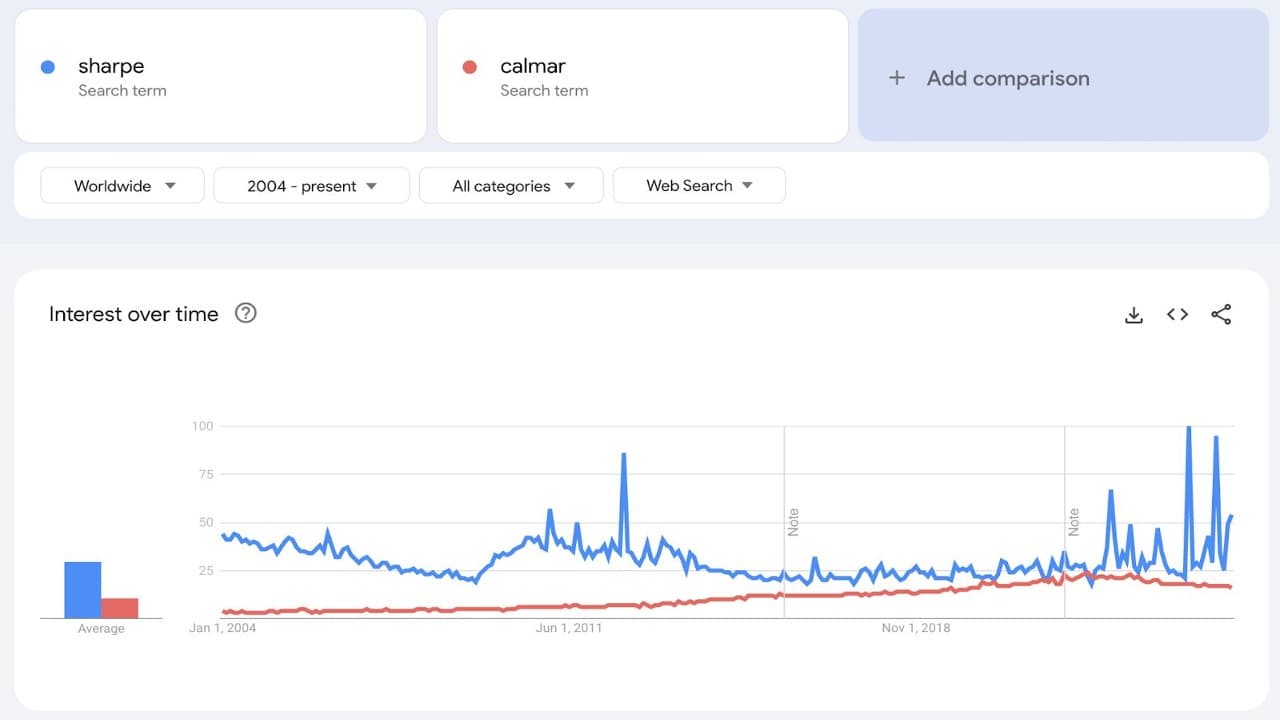
Why Calmar can be a more intuitive risk-adjusted return metric than Sharpe when drawdowns, leverage, and survival matter.
Sagar Saluja, BITS Pilani alum, shares his journey from retail option trading to designing robust, data-driven systematic research tools.

A blunt note on the unrealistic promises in trading education and why QuantYog chooses honesty over easy marketing.
Why renewing QuantYog.com for nine more years is a commitment to tackling India's trading education and financial literacy crisis.
Anshul Goel, Quantitative Strategist at Goldman Sachs, explains how QuantYog Foundations bridges the gap between academic MFE programs and real-world trading.

Anshul Pokharna (IB / M&A / CQF) contrasts theoretical quantitative programs with the sharp, actionable insights of QuantYog Foundations.

Ankith Singh Malik, Data Engineer at PayPal, details how the Foundations course provides institutional rigor for data professionals.

Manny J., ML Engineer at DOMYN, explains why QuantYog Foundations is "takda" and highly valuable for machine learning and AI experts.

A trading simulation showing how a small negative edge can make most retail traders lose money while a lucky few mistake randomness for skill.
A reminder that automation without guardrails is not scale; it is fragility moving faster.